
If you asked your grandfather what it was like to lose a tooth, he probably would have told you about dentures. Maybe a bridge. Maybe just living with a gap. That was the reality not so long ago. Tooth replacement was a practical matter. You lost a tooth; you got a replacement that came out at night and sat in a glass by the bed. It worked, mostly. But nobody called it comfortable. And nobody called it natural. Moving from dentures to implants has greatly improved restorative dentistry.
Here at Levesque Dentistry, we’ve been part of that story for a long time. Dr. Adrian J. Levesque Sr. opened his practice in 1933, back when dentures were the standard and dental implants didn’t exist. Today, his grandchildren, Dr. Keith Levesque and Dr. Tara Levesque-Vogel, carry on the family tradition with tools and techniques their grandfather could only have dreamed of.
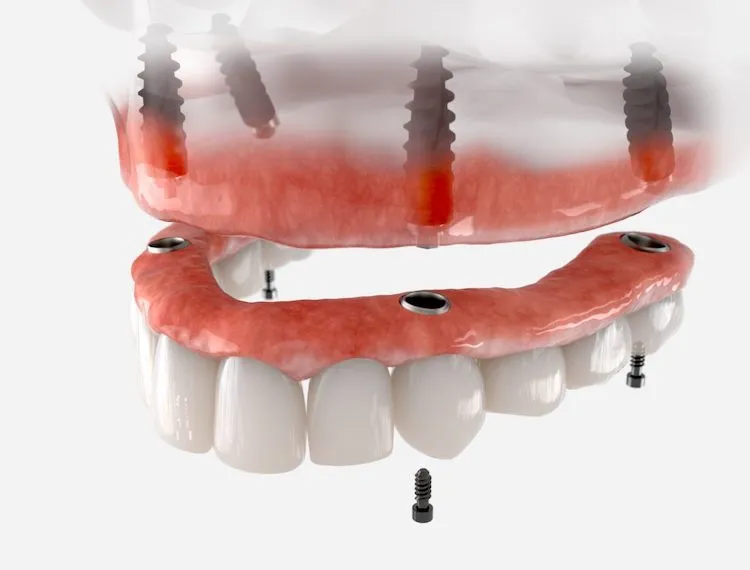
The Old Days: Dentures and Bridges
For most of the twentieth century, if you lost a tooth, you had two main options.
- Dentures were removable. A full denture replaced all your teeth. A partial denture filled in the gaps. They were made of acrylic or metal and rested on your gums. They worked, but they came with trade-offs. They could slip, click, and cause sore spots. Eating certain foods was a challenge. And over time, they didn’t stop the bone loss that happens when teeth are missing.
- Bridges were fixed in place. A dentist anchored them to the healthy teeth on either side of the gap. To make room, those healthy teeth had to be shaved down. That meant damaging perfectly good teeth to replace a missing one. It worked, but it wasn’t ideal.
Both options restored function. Neither felt like a real tooth. And neither addressed what was happening beneath the surface: the gradual loss of bone in the jaw.
The Turning Point: Dental Implants
Then came dental implants. The idea was simple but revolutionary: instead of resting a replacement on your gums or anchoring it to other teeth, why not replace the root itself?
An implant is a small titanium post that an oral surgeon places into the jawbone. Over time, the bone fuses to the post, a process called osseointegration. Once that happens, the implant is stable. It’s not going anywhere. And on top of that post, we place a custom crown that looks and functions like a natural tooth.
The difference is night and day. You can bite into an apple and laugh without worrying about something slipping. You can brush and floss normally. And because the implant stimulates the jawbone the way a natural root does, it helps prevent the bone loss that dentures and bridges can’t stop.
What This Means for You Today
If you’re missing a tooth, or several, you have options your grandfather never did. And at Levesque Dentistry, we’ve invested in the training and technology to offer them right here in Nashua.
Dr. Keith and Dr. Tara are both trained in implant and reconstructive dentistry. They’ve seen how implants can change a patient’s confidence, their diet, and their quality of life. Some of our patients have been coming to us for 40 years, two generations of Levesques. That kind of trust doesn’t happen by accident. It happens when you care for people the way our family has always cared for this community.
Ready to Learn More?
If you’ve been living with a missing tooth or struggling with dentures that just don’t feel right, come talk to us. We’ll walk you through your options, answer your questions, and help you understand what’s possible today.
Your grandfather’s dentures were the best option in his time. You deserve better in yours.
Give us a call or request an appointment online. We’d love to help you smile again.